Standing seam roofing,clean lines with nothing exposed.
Standing seam panels hang on concealed clips and lock together at raised vertical seams, so no fastener ever sits out in the weather. Steel systems serve 40 to 60 years, and the panels float with our temperature swings instead of fighting them.
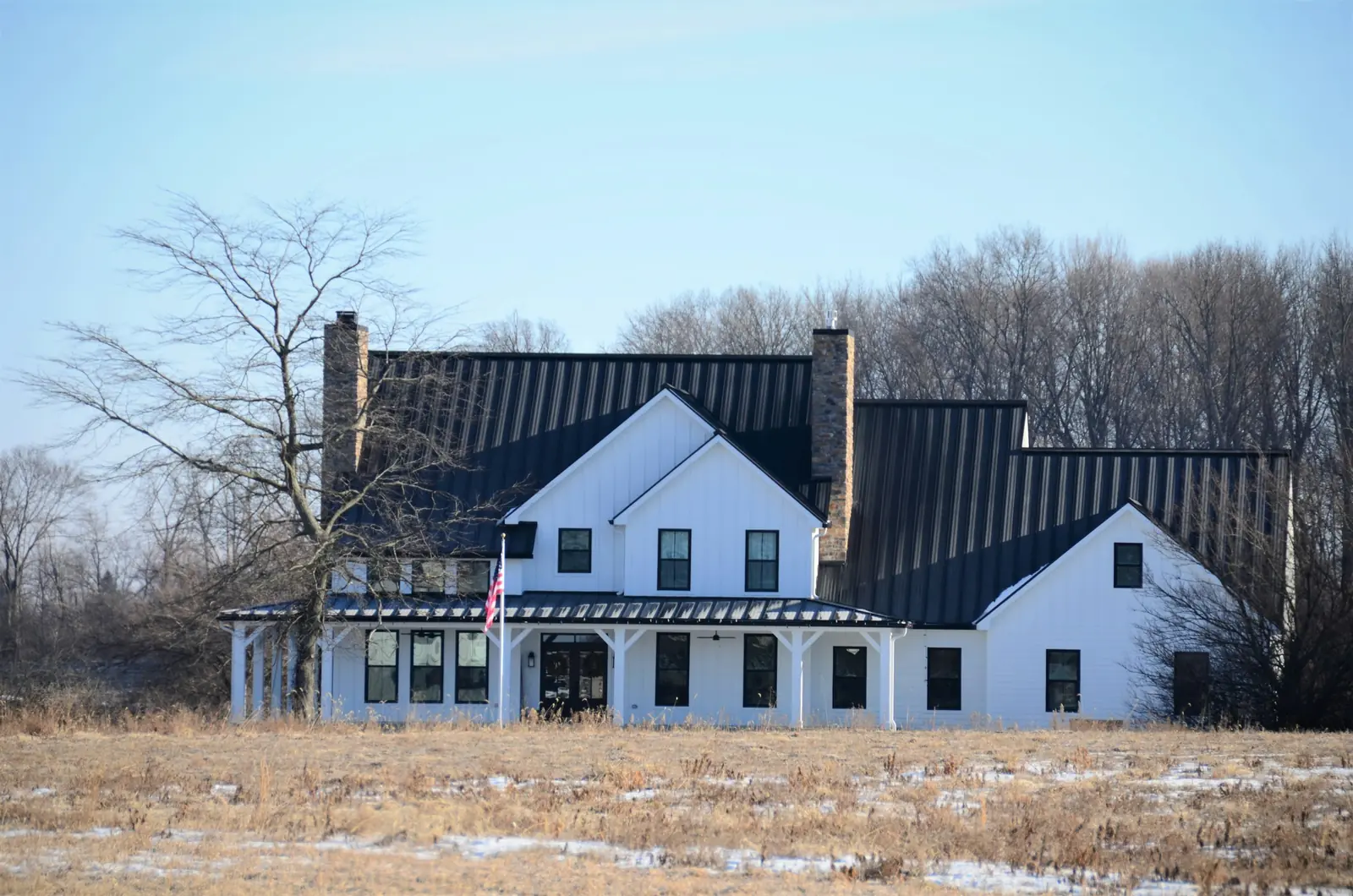 Photo: Roger Starnes Sr / Unsplash
The short answer
What makes standing seam worth the price?
It comes down to the fasteners. Every screw on a standing seam roof sits under the seams on a clip, out of the sun and the rain, so there are no washers to age and no heads to back out. The clips also let each panel expand and contract with the temperature without stressing an attachment point, which is a big part of why steel systems last 40 to 60 years. You pay more up front than you would for an exposed-fastener panel like Pro-Rib, and in return you get a roof with less to maintain and a cleaner line from the street.
Side by side
Snap-lock vs mechanical seam
Both are concealed-fastener systems. The difference is how the seam closes, and that decides where each one belongs.
| Snap-lock | Mechanical seam | |
|---|---|---|
| How the seam closes | Panels snap together by hand | Folded shut with a seaming machine |
| Minimum pitch | 3:12 | 2:12 |
| Weather seal | Weathertight for standard pitches | The tightest seal, made for low slope and high wind |
| Installation | Faster, lower cost | Slower, higher cost |
| Best fit | Most homes in the metro | Low-slope roofs and exposed sites |
The clips
Built to move with the temperature.
Nebraska runs from below zero in January to over 95 in July, and a long metal panel grows and shrinks noticeably across that range. Standing seam handles it with floating clips. The clip holds the panel to the deck while the panel slides through it as the temperature moves, so nothing binds and nothing buckles. That is what prevents the oil-canning and fastener fatigue you see when metal is pinned down rigid, and it matters most on the long panel runs a full roof replacement puts on a house.
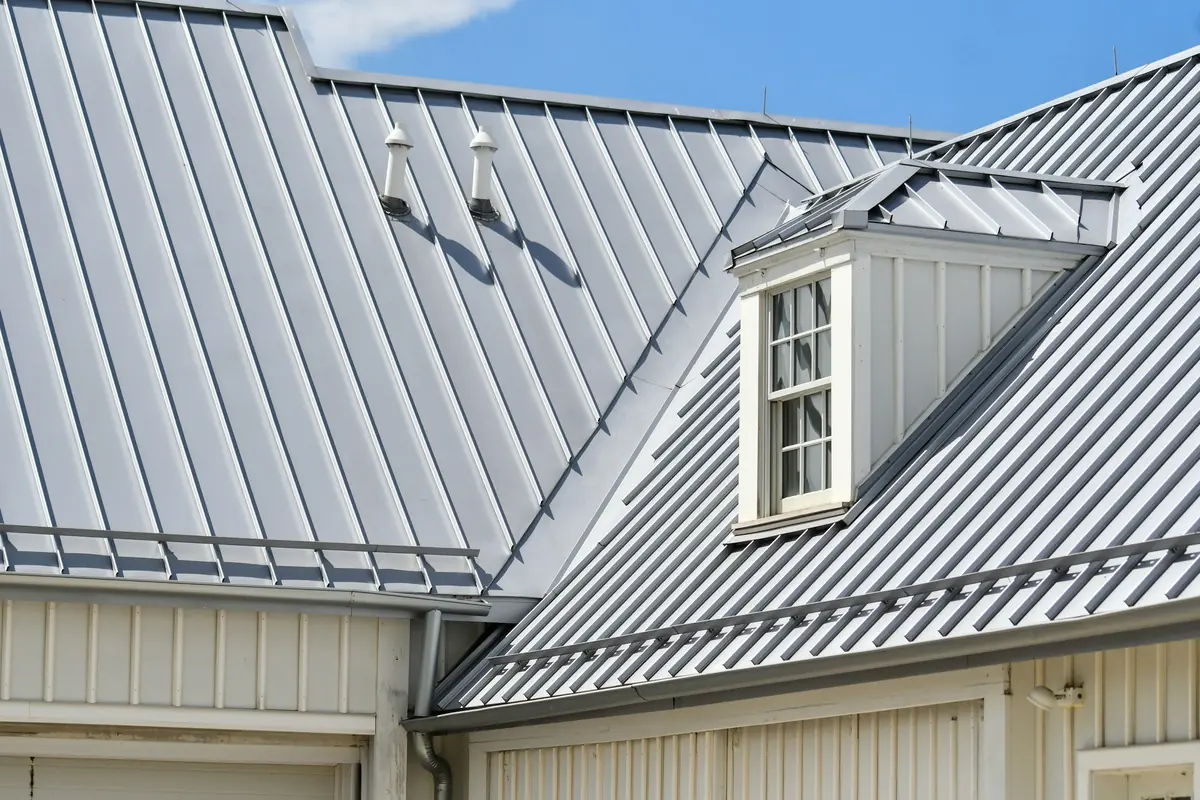 Photo: Meg / Unsplash
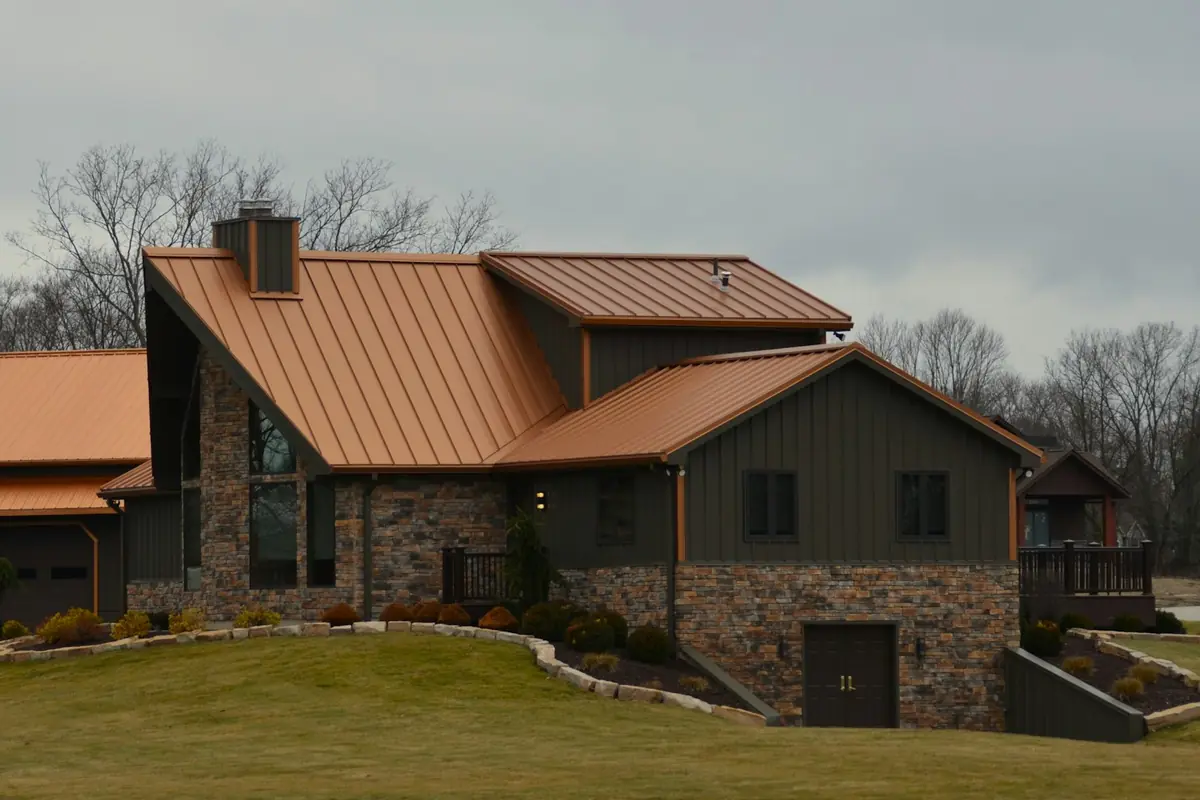 Photo: Roger Starnes Sr / Unsplash
The metals
Steel to copper, spec'd to the house.
Steel with a Galvalume coating is the panel we install most, because it delivers 40 to 60 years at the most sensible price. Aluminum resists corrosion and suits damp exposures, though it dents more easily than steel. Copper is the premium pick, weathering to a patina and serving a century or more. Zinc sits between them, with a finish that covers its own scratches over time. Seam heights run 1 to 3 inches and panel widths come in 12, 16, or 18 inches, with smooth or striated faces in most colors.
The extras
Solar-ready seams, shingle-quiet rain.
The raised seams take clamp-on mounts, so solar panels attach to the roof without a single new hole in it. That matters if solar is anywhere in your plans, because every penetration you avoid is a leak that can never happen. As for rain noise, a standing seam roof over solid decking, underlayment, and an insulated attic sounds about like a shingle roof from inside the house. The drumming people remember comes from panels over open framing, not from a finished home.
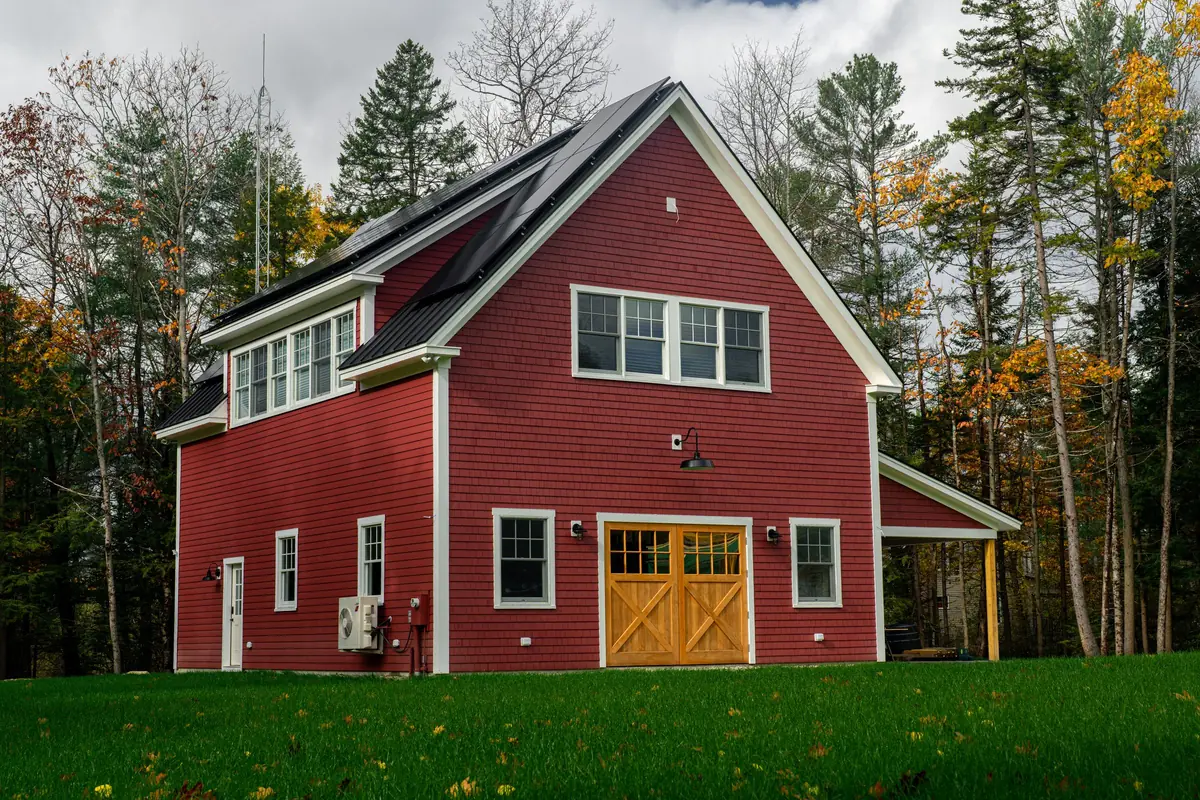 Photo: Skyler Ewing / Pexels
Who's behind it
Built on a craftsman's standard.
Tailwind Roofing is a new company built on David Nelan's 25+ years in the trades, two decades of it building and finishing exteriors across the Omaha metro, backed by a Class B contractor's license. Every job is held to the standard he has worked to since 2003, from the first assessment to the final walkthrough.
Questions
Common questions about standing seam
What makes standing seam different from exposed-fastener metal roofing?
Every fastener on a standing seam roof sits under the raised seams on a clip, so nothing penetrates the surface that sheds the water. That removes the washer maintenance that comes with exposed-fastener panels, and it lets the panels move with temperature without working a screw loose. Exposed-fastener systems like Pro-Rib cost less for exactly that reason, because the screws pass through the panel face and rely on washers that need checking as they age. Standing seam is the roof with less to maintain and a cleaner line from the curb.
Should I choose snap-lock or mechanical seam panels?
Snap-lock for most houses. It costs less to install and it handles any pitch of 3:12 or steeper with normal wind exposure. Mechanical seam earns its extra cost on low slopes down to 2:12 and on exposed sites where wind drives the rain, because the machine-folded seam makes the tightest seal a panel joint can make. We look at the pitch and the exposure, then recommend one or the other in your detailed estimate.
Is a standing seam roof noisy when it rains?
Not over a living space. Installed over solid decking with underlayment, with an insulated attic below, a standing seam roof sounds about like a shingle roof from inside the house. The tin-roof drumming people remember comes from open framing, the kind you find on barns and porch roofs, where there is nothing between the panel and the room.
What material should I choose for a standing seam roof?
Galvalume-coated steel for most homes. It has the best balance of cost and service life, running 40 to 60 years with a quality finish. Aluminum makes sense where corrosion is the concern, though it dents more easily than steel. Copper and zinc are the premium picks, with copper weathering to a patina and serving a century or more, and zinc developing a finish that covers its own scratches over time. Your estimate can price more than one so you see the spread.
Will standing seam work on my low-slope roof?
Yes, with the right system. Mechanical-seam panels install down to a 2:12 pitch with the seams folded shut by machine, and snap-lock panels want 3:12 or steeper. Lower slopes also call for upgraded underlayment and careful detail work at seams and penetrations. We measure the pitch during the assessment so the recommendation matches the roof rather than a brochure.
Thinking about standing seam?
We'll look at your roof, walk the seam and material options with you, and give you a detailed estimate.
Comparing metal options? See Pro-Rib exposed-fastener panels or every product line we carry.