Siding Services in Omaha

Exterior siding installation and replacement across homes in Omaha and surrounding communities. Fiber cement, engineered wood, and vinyl siding applications common throughout the metro.

Siding Materials in Omaha Homes

Three primary siding materials are common on homes across the metro, and each one handles Omaha weather differently.

1

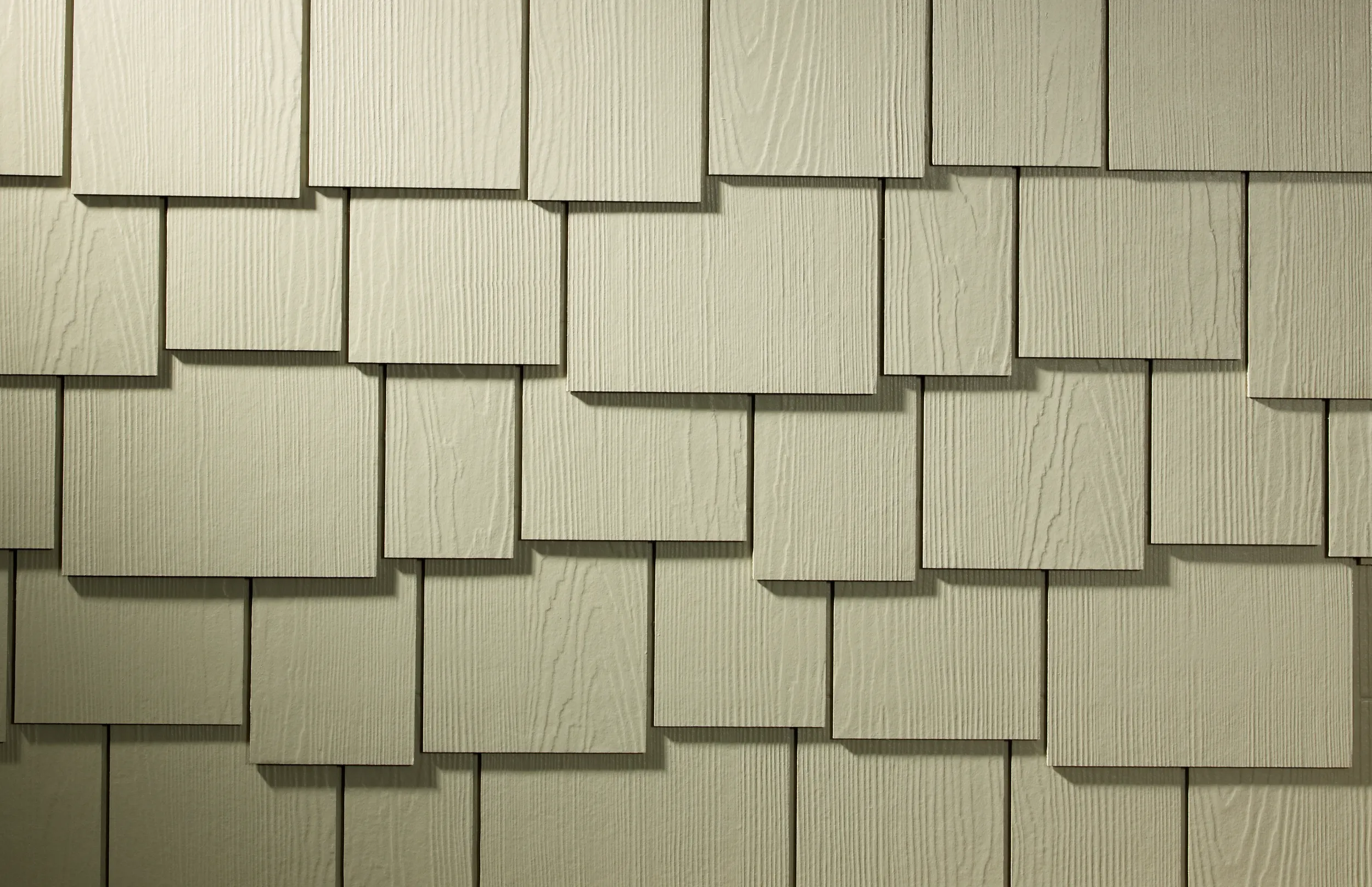
James Hardie Fiber Cement

Fiber cement siding resists hail impact without denting, shows spatter marks or chipped edges rather than deformation. Material holds up to humidity cycles without warping, maintains dimensional stability through temperature swings. We see this on homes in Elkhorn, Papillion, and newer construction throughout the metro where storm resistance is prioritized.

2

LP SmartSide Engineered Wood

Engineered wood siding with treated strand technology shows consistent performance in moisture exposure. Material resists wood rot and fungal decay better than traditional lumber-based products. Surface holds paint well through seasonal weather transitions. Used in replacement projects where the aesthetic of wood siding is preferred with improved durability characteristics.

3

Vinyl Siding

Vinyl siding expands and contracts with temperature changes, edges lift away from the house after extended sun exposure. Material common on properties built in the 1990s and early 2000s. How well vinyl holds up depends on the installation. Proper expansion gaps and fastening patterns matter. We see this throughout Millard, Gretna, and older neighborhoods where budget was the primary factor.

Siding Damage Patterns After Weather

Omaha's weather patterns leave specific marks on exterior siding materials. Hail impacts, temperature cycles, humidity exposure, and wind effects vary depending on the material and installation date.

Hail Impact Patterns

Fiber cement shows spatter marks and chipped edges, vinyl shows dents or punctures, engineered wood shows surface damage. South and west-facing walls take the most impact during summer storms. The July 2023 hailstorm created visible damage patterns across properties in Elkhorn and Papillion.

Temperature Cycle Effects

Vinyl siding curls at edges after repeated expansion and contraction. Material moves with temperature. Proper installation allows for this movement, improper installation results in buckling or pulling away from the house. Most noticeable on south and west exposures where afternoon sun creates the greatest temperature differentials.

Moisture and Humidity Exposure

Wood-based siding warps in high humidity when moisture gets trapped behind the paint. Boards buckle and separate from the wall, most common in older homes with poor airflow. Fiber cement and vinyl resist moisture intrusion better, though both require proper flashing and water management at windows and trim.

Wind Damage at Corners and Edges

Wind lifts siding at corners, gable ends, and around openings where fastening patterns are inadequate. Aluminum siding shows this first, followed by vinyl on open exposures. Material failure typically starts at edges and works inward. Most noticeable after spring and summer storm systems with sustained winds above 50 mph.

Winter Weather Effects

Snow accumulation and ice dam formation affects siding near rooflines. Aluminum siding fades unevenly where snow piles up, constant moisture and salt from winter treatments accelerate corrosion. North-facing walls retain ice longer, creating sustained moisture exposure that affects material performance over time.

Installation Patterns Across the Metro

Siding installation methods and material choices vary by neighborhood age, property value, and exposure conditions. Homes reflect both the era they were built and the specific weather challenges in each area.

Newer Construction Areas

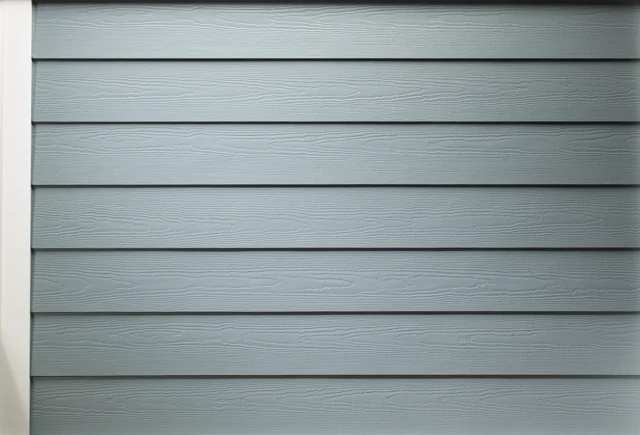
Fiber cement dominates in developments built after 2015, particularly in Elkhorn and Papillion. Builders prioritize hail resistance and low maintenance. HardiePlank lap siding and HardiePanel vertical siding are most common, with ColorPlus pre-finished options becoming standard on higher-end properties.

Established Neighborhoods

Vinyl siding covers most properties in Millard and older areas built in the 1990s-2000s. Replacement projects increasingly move to fiber cement or engineered wood, driven by insurance claim opportunities and long-term maintenance considerations. Original wood siding remains on some properties in Dundee, requiring ongoing paint and repair work.

Storm-Affected Properties

Hail events create concentrated replacement activity in specific neighborhoods. The July 2023 storm resulted in widespread siding damage across western Omaha suburbs. Homes with vinyl siding showed denting and punctures, while fiber cement showed chipping. Many homeowners upgraded material choice during the replacement process, moving from vinyl to fiber cement for improved storm resistance.

Coordination with Roofing

Siding and roofing projects often happen together, particularly when insurance covers both. Material choices coordinate for color and warranty alignment. James Hardie siding commonly pairs with GAF Timberline HDZ shingles on premium installations, both carrying 50-year material warranties and non-prorated coverage.

What Affects Siding Project Costs

Siding replacement costs vary with material choice, property size, existing condition, and project complexity. Pricing reflects both material differences and installation requirements.

Material Selection

Fiber cement costs more per square foot than vinyl, engineered wood falls between the two. James Hardie with ColorPlus finish adds a premium over field-painted options. Vinyl remains the budget choice, though material quality varies significantly between manufacturers. Long-term cost includes maintenance. Fiber cement requires painting every 10-15 years unless pre-finished, vinyl needs no painting but may require replacement sooner.

Property Characteristics

Two-story homes require scaffolding, adding labor time and equipment costs. Gable ends, dormers, and architectural details increase complexity. Homes with extensive trim work or unique architectural features take longer to complete. Square footage matters, but complexity often drives costs more than raw area.

Existing Condition

Removal and disposal of old siding adds cost, particularly with multiple layers or damaged sheathing underneath. Wood rot in framing requires repair before new siding goes up. Water damage behind old siding shows up during removal. Proper remediation matters for long-term performance. Some properties need sheathing upgrades or house wrap installation before new siding.

Trim and Detail Work

Window and door trim affects both material quantity and installation time. Fascia, soffit, and corner treatments add to project scope. Some homeowners replace gutters at the same time, coordinating color and maximizing access while scaffolding is up. Trim work quality shows in the finished appearance. Material choice and installation skill both matter.

Common Questions About Siding in Omaha

What siding material holds up best to hail in Omaha?

Fiber cement siding resists hail impact better than vinyl or wood-based products. Material shows spatter marks or chipped edges rather than dents or punctures. James Hardie fiber cement has been tested to withstand hail up to 1.25 inches without penetrating damage. Vinyl siding dents or punctures under moderate hail impact, particularly on older installations where material has become brittle from sun exposure.

How long does vinyl siding last in Nebraska weather?

Vinyl siding typically lasts 20-30 years in Omaha before showing significant deterioration. Material becomes brittle from UV exposure, edges curl from temperature cycling, color fades on south and west exposures. Performance depends on installation quality and material grade. Premium vinyl with thicker material profile and UV inhibitors outlasts builder-grade options. Most vinyl siding on properties from the 1990s and early 2000s is approaching replacement age.

Does fiber cement siding need to be painted after installation?

Unpainted fiber cement requires painting before or immediately after installation. James Hardie ColorPlus pre-finished siding arrives with factory-applied paint that carries a 15-year warranty against peeling, cracking, or chipping. Field-painted fiber cement needs repainting every 10-15 years depending on exposure and paint quality. Pre-finished options cost more initially but eliminate the first painting cycle and typically hold up better to weather than field-applied paint.

Can siding be replaced without replacing the roof?

Siding can be replaced independently, though coordinating both projects saves on scaffolding costs and creates better flashing integration at the roofline. When insurance covers both roof and siding from the same storm event, completing work together makes sense. If only siding needs replacement, careful flashing detail where siding meets the roof edge protects against water intrusion. Many homeowners replace gutters at the same time as siding since access is already in place.

What is LP SmartSide and how does it compare to James Hardie?

LP SmartSide is engineered wood siding treated for moisture and decay resistance. Material offers wood appearance without solid wood's warping and rot issues. Costs less than James Hardie fiber cement but more than vinyl. LP SmartSide requires painting like fiber cement, holds paint well through weather. James Hardie resists hail impact better and carries longer warranty coverage. Both materials outperform vinyl for durability and both require periodic painting unless pre-finished.

Does homeowners insurance cover siding damage from storms?

Homeowners insurance typically covers siding damage from hail, wind, and storm events. Vinyl siding shows visible denting or punctures, fiber cement shows chipped edges or spatter marks, wood-based siding shows impact craters or split boards. Documentation matters. Photos taken immediately after storms help establish the damage timeline. Insurance adjusters assess the extent and coverage under the policy deductible and dwelling coverage limits. Material upgrade during replacement requires homeowner payment of the difference between covered material and upgraded choice.

Explore Siding Options for Your Property

Material choices, installation details, and real-world performance across Omaha homes.