Storm and hail damage,handled start to finish.
Omaha sits in one of the busiest hail corridors in the country. After a storm we inspect the roof, document exactly what's there with photos, and hand your adjuster a clear record of it.
Why here
Hail is part of life in Omaha
Nebraska ranks third in the country for hail. The metro's storm season runs April through September, heaviest in May and June, and hail tracks southwest to northeast, which is why south and west slopes take the worst of it. South and west Omaha, Elkhorn, Gretna, and Millard sit right in that corridor, and a single storm can hit thousands of homes at once, often with damage you can't see from the ground.
What storms do
Four kinds of damage we find
Hail
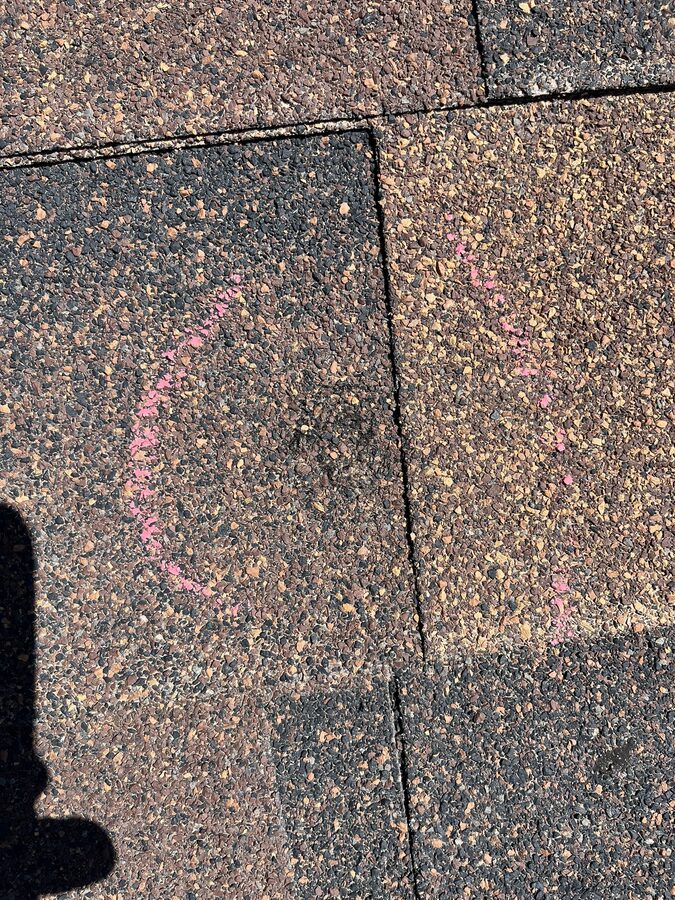
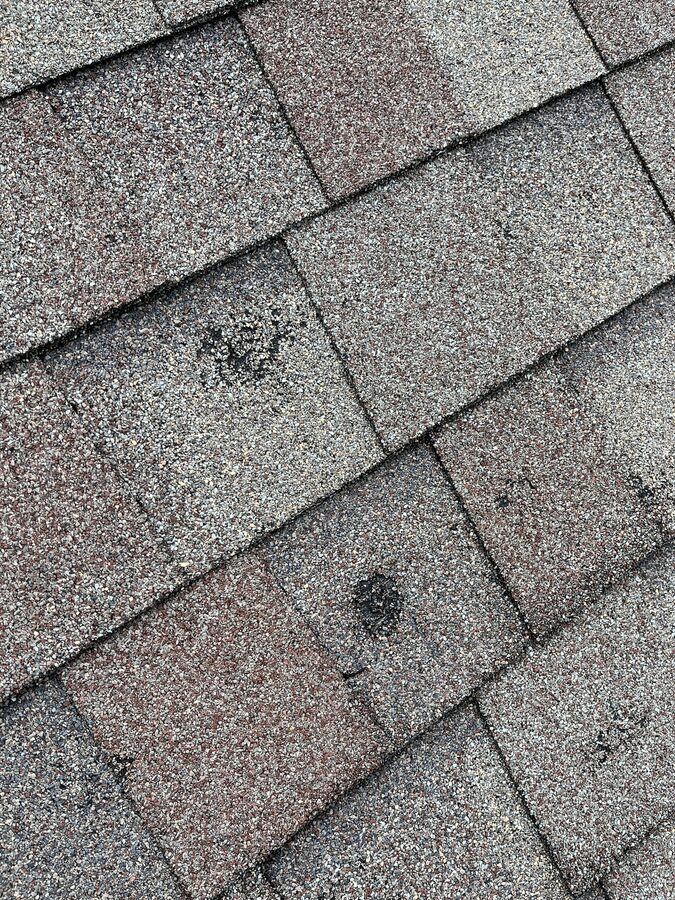
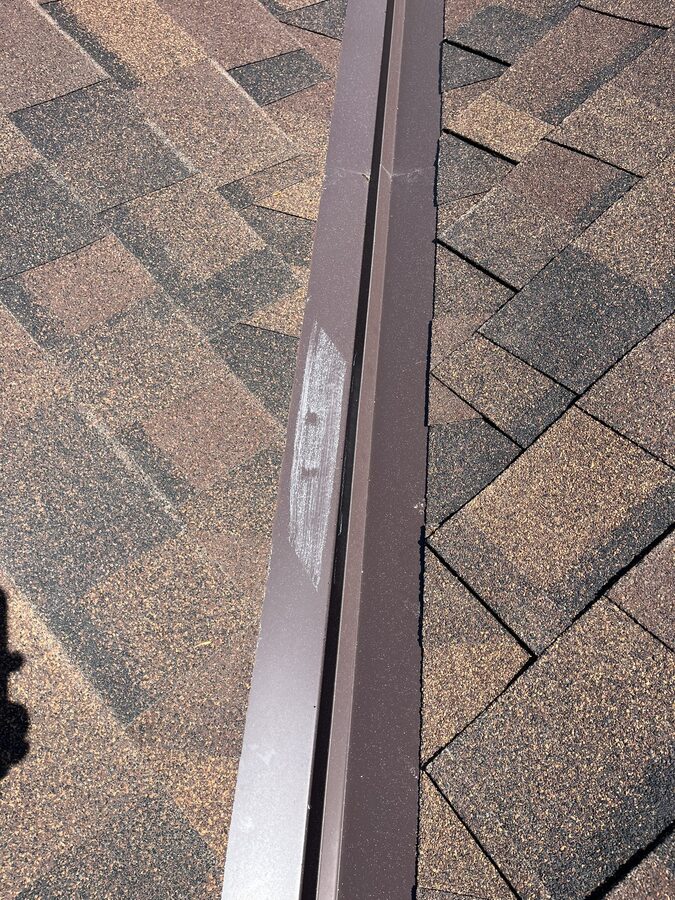
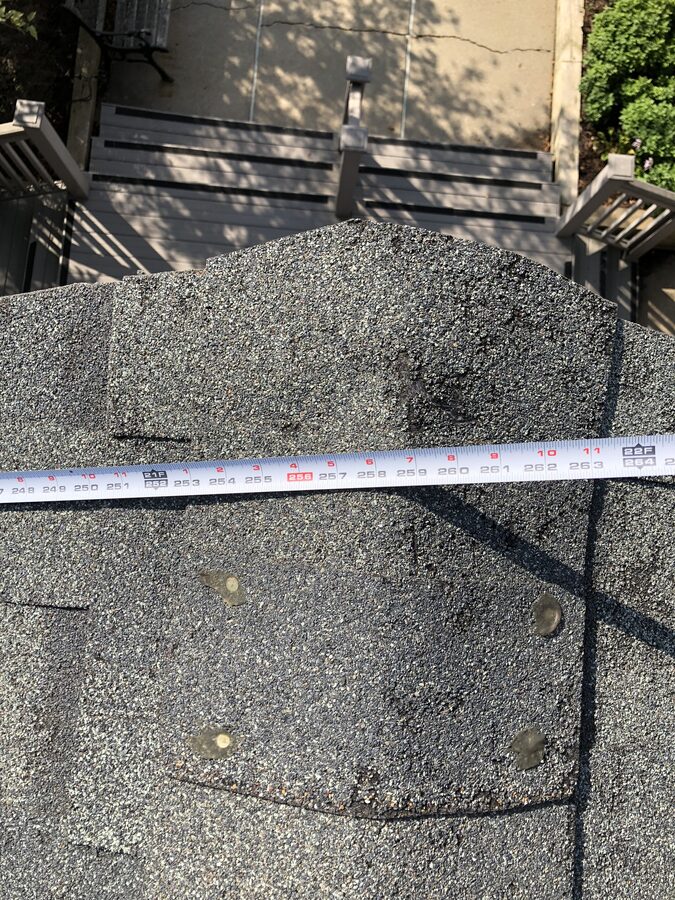
Hail dents shingles and knocks off the granules that shield the asphalt from UV. It shows as dark circular spots, worst on slopes facing the storm. One-inch hail can crack older or 3-tab shingles through to the mat; Class 4 shingles handle the same hit better.
Wind
Straight-line winds and microbursts lift tabs at edges and ridges. Once a seal strip breaks, the shingle flaps with every gust and the damage spreads, most often on older adhesive that has weakened.
Debris & tree impact
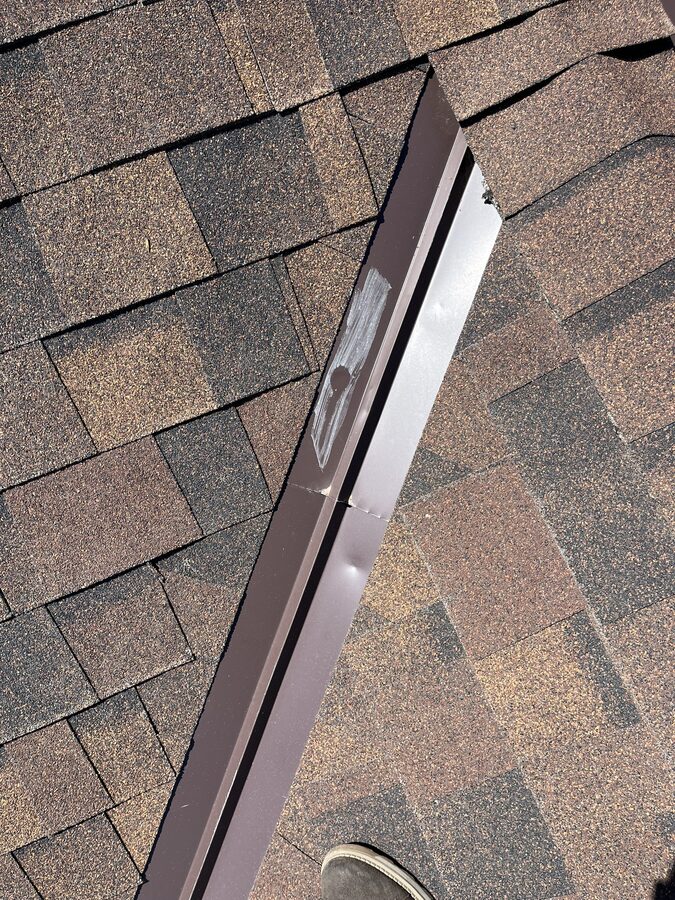
Branches puncture and crack shingles and dent flashing; bigger limbs damage the deck. These need tarping right away to keep water out until the permanent fix.
Water & ice dams
Heavy rain finds any gap hail or wind opened. Ice dams back water under shingles at the eave, and the stain often shows up weeks later. Good ventilation and underlayment help.
Up close
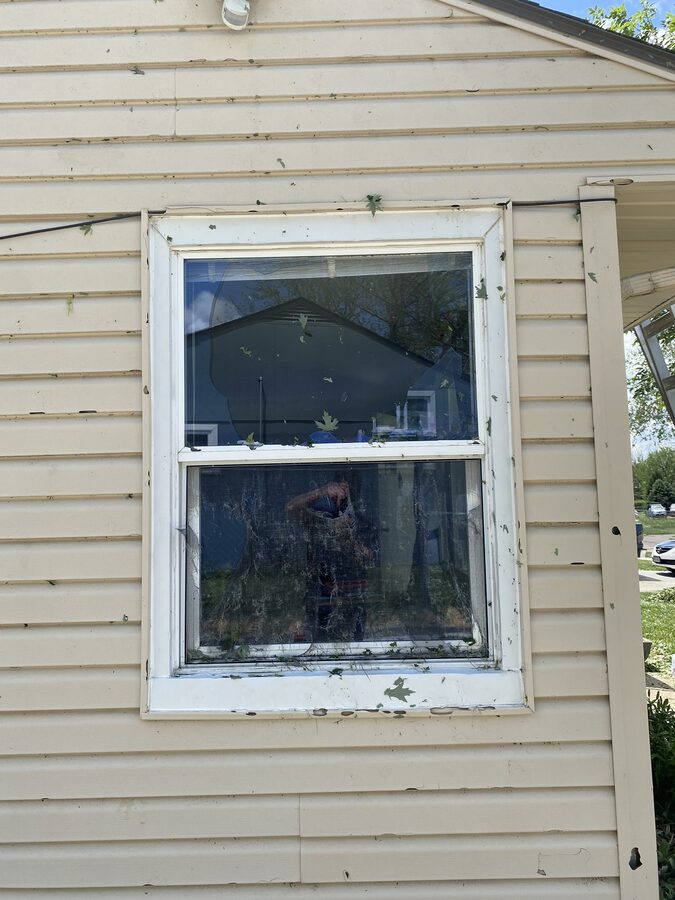
What hail damage looks like
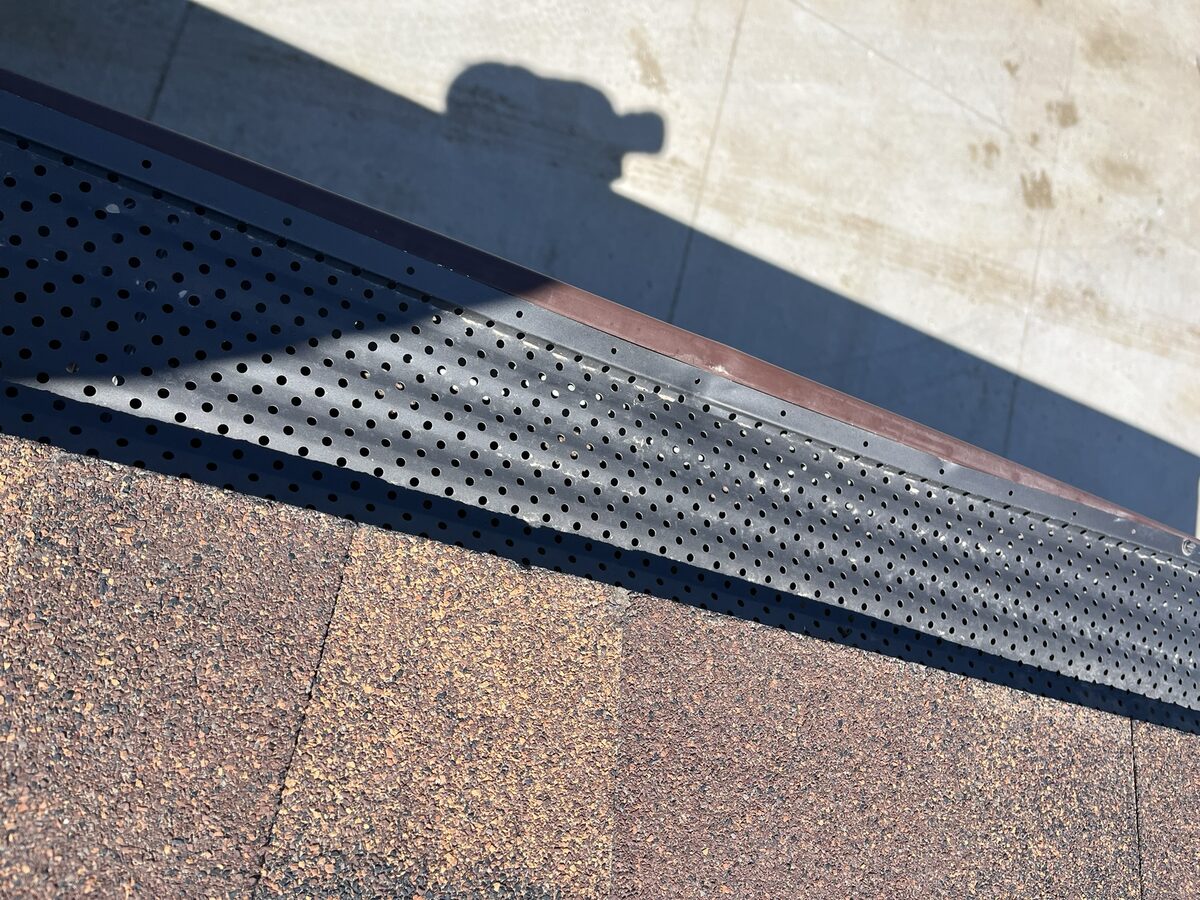
We photograph everything during an inspection. Clear documentation is what makes the difference on a claim.
After you call
From inspection to a roof that's right again
Free inspection
We check every slope and flashing point, document impact density, and photograph the patterns.
Damage report
Photos, measurements, and a written scope of what’s damaged and what needs to happen.
Insurance
We meet the adjuster on-site and share our photos and written scope so everyone works from the same documentation.
Restore
Once scope and funding are set, we schedule and install with GAF and Owens Corning, done right.
More on how the claim works on our insurance claims page.
Next time
Replacing after a storm? Consider Class 4
If the roof is being replaced anyway, a Class 4 impact-resistant shingle takes bigger hail without cracking, and most Nebraska carriers knock 10-30% off your premium for one, which can pay back the upgrade in a few years. We carry Class 4 from several lines:
Questions
Common questions about storm damage
How do I know if my roof has hail damage?
From the ground, look for dark spots on shingles where granules came off, dented gutters or downspouts, and dings on soft metals like AC fins or mailboxes. Granule buildup in the gutters after a storm is another tell. A free inspection confirms the extent.
Should I get an inspection after every storm?
Not every storm. If the weather service reports hail over an inch in your area, or you see dings on soft metals, it's worth a look. Most post-storm inspections are free.
How long do I have to file a hail claim?
Most Nebraska policies allow a year from the date of damage. Sooner is better, since it's easier to tie the damage to a specific storm while the evidence is fresh and the neighborhood pattern is clear.
Will insurance cover a full replacement?
If the hail is widespread enough that a repair won't restore the roof, replacement is typically covered. The adjuster's scope decides it, and our documentation helps make sure nothing gets missed.
What are Class 4 impact-resistant shingles?
Class 4 is the top impact rating, tested against a 2-inch steel ball dropped from 20 feet without cracking. They take bigger hail better, and most Nebraska carriers offer a 10-30% premium discount for a Class 4 roof.
Where we work
Storm damage help near you
The 26 communities we serve around Omaha and into Iowa.
If insurance is involved, read how claims work before you call anyone.
Storm hit your area?
A free inspection takes the guesswork out of it. We'll tell you what's there, what it means, and your options.