Vinyl siding in Omaha,the budget option, explained.
Vinyl is the lowest-cost siding we hang, and most of the metro's 1990s and 2000s neighborhoods are wearing it. Installed with room to move it serves 20 to 30 years, and when it reaches the end of that run we will tell you plainly whether to replace it in kind or step up.
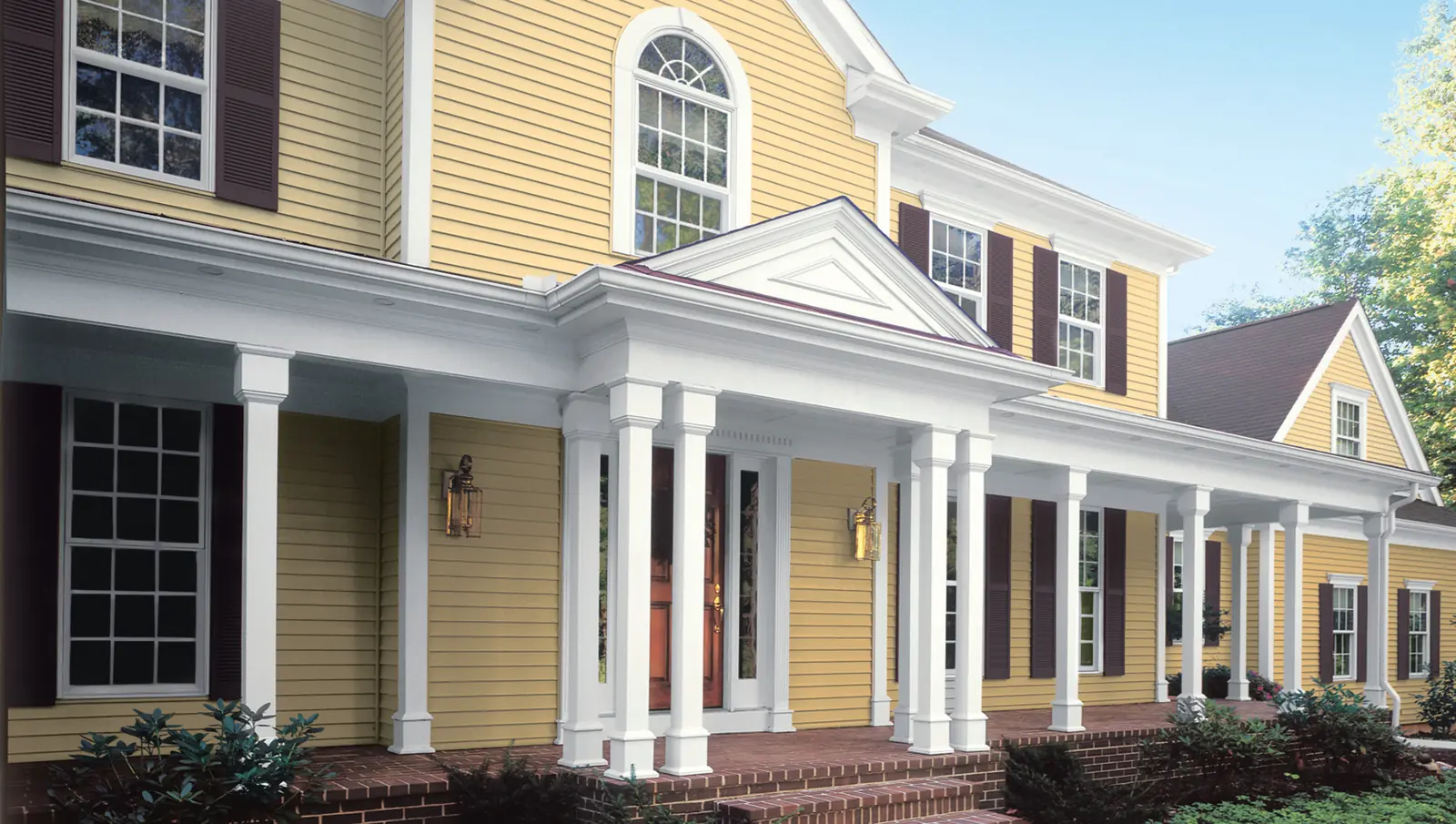 Photo: Mastic by Ply Gem
The short answer
Is vinyl siding worth it in Omaha?
When the budget leads, yes. Vinyl costs less up front than any other siding we install and it never needs paint. What you give up is long-range durability. Strong sun fades the color over the years, and as the material ages it turns brittle enough that hail can crack it. If you plan to stay in the house past the next siding cycle, LP SmartSide and James Hardie cost more now and hold up longer. If vinyl fits the plan, we hang it the way the manufacturer specifies, because the installation is what decides whether a vinyl wall serves its full 20 to 30 years.
How it compares
Vinyl vs SmartSide vs Hardie
| Vinyl | LP SmartSide | James Hardie | |
|---|---|---|---|
| Upfront cost | Lowest | Middle | Highest |
| Hail | Cracks, panels get replaced | Handles small stones, marks above 1 inch | Marks, resists cracking |
| Sun and fade | Fades, can turn brittle | Paint film protects the board | ColorPlus baked-on finish holds |
| Maintenance | Wash it, recaulk trim | Repaint every 10-15 yrs | Rinse, repaint only if field-painted |
| Lifespan | 20-30 years | 30+ years with paint upkeep | 50+ years |
The install
Vinyl lives or dies on the install.
Vinyl is extruded PVC in hollow-back profiles, and it moves up to half an inch over a 12-foot length between winter and summer. The whole installation method is built around that movement. We leave expansion gaps at corners, trim, and panel ends, and every fastener sits in the center of its nailing slot, snug but never driven tight, so the panel can slide as the temperature changes. Get any of that wrong and the wall buckles in July or pulls away from the house in January. Most vinyl failures we get asked about trace back to the installation rather than the panel.
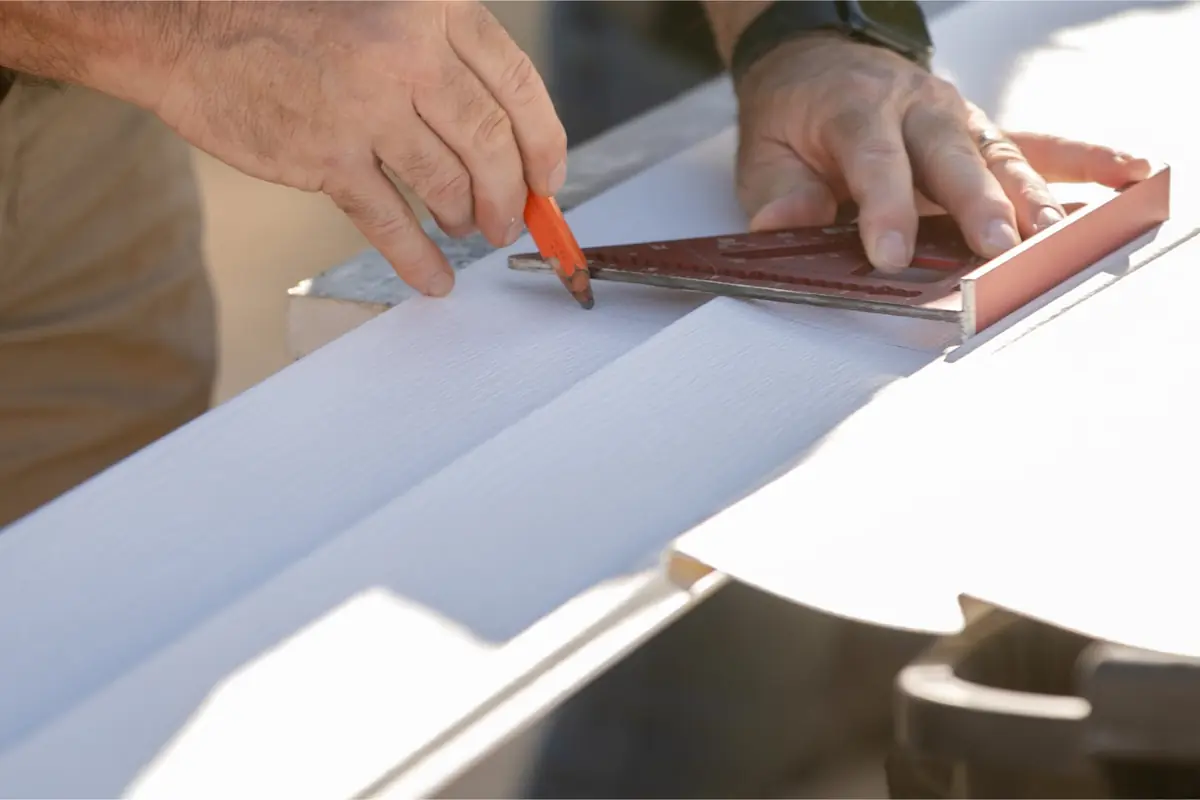 Photo: Mastic by Ply Gem
The limits
Where vinyl reaches its limit
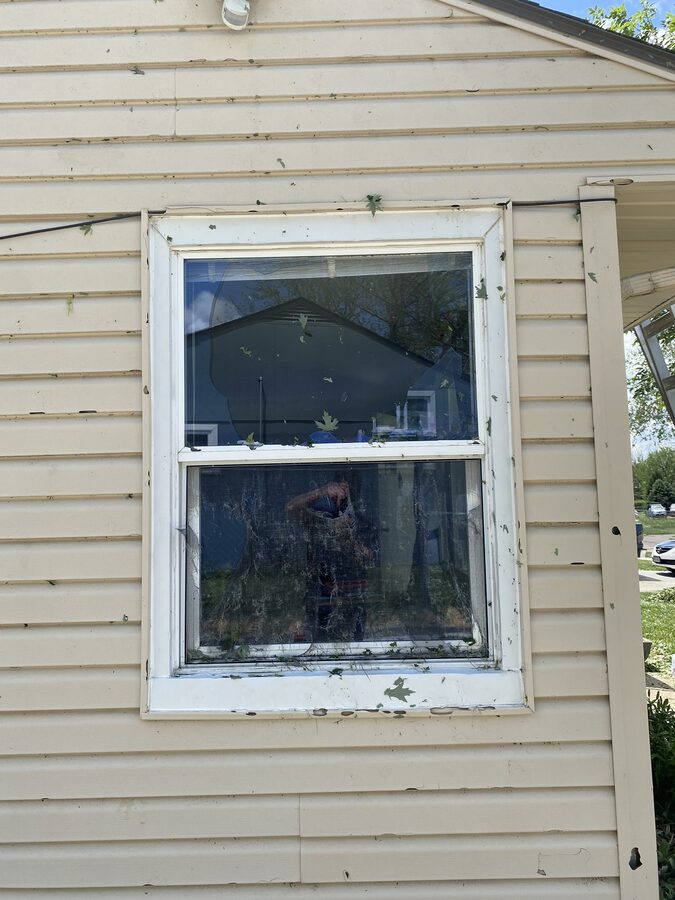
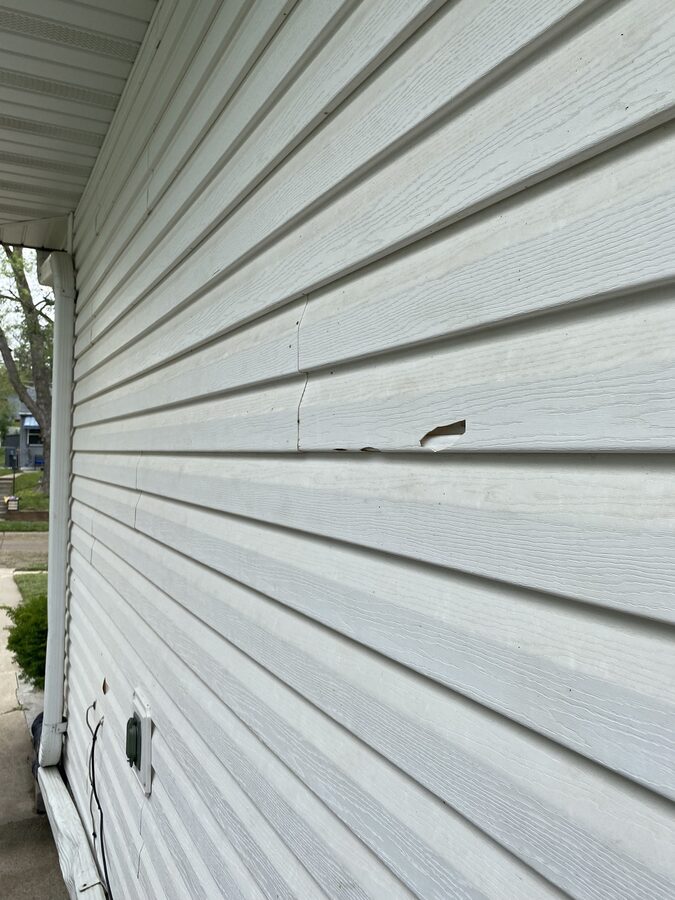
Buying vinyl means knowing what it does not do. As the material ages and loses flexibility, hail that a newer wall would shrug off starts cracking panels, and cold weather makes the material more rigid at exactly the time of year impacts hit hardest. The July 2023 hailstorm left cracked and broken panels across the western suburbs where hail passed an inch in diameter. A cracked panel cannot be repaired, only replaced, and matching new panels against faded walls is a losing game.
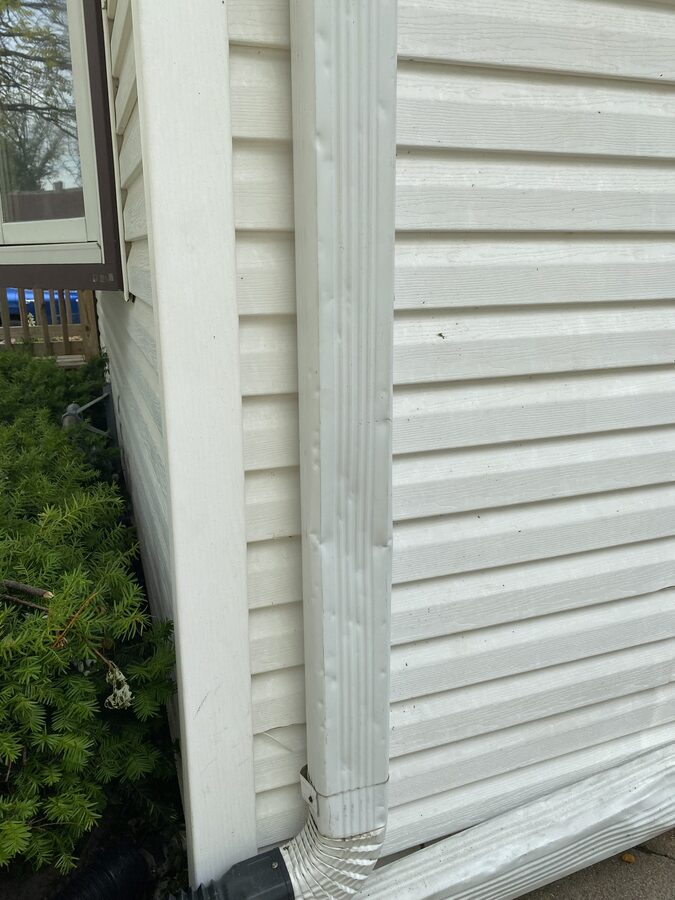
When storm damage is involved, insurance pays for like-kind replacement, vinyl back to vinyl at the original grade. Many homeowners use that moment to pay the difference and step up to fiber cement or engineered wood, since the tear-off and labor are already covered. These photos show what hail does to vinyl walls in this market.
Reading the wall
How vinyl ages, and when it's done
Vinyl goes through predictable stages, and the south and west walls always lead because they take the most sun. Here is what each stage means for the replacement decision.
Fading and chalking
UV breaks down the surface until the color goes chalky and wipes off on your hand. Fade cannot be reversed, and it lands unevenly, so sun-facing walls stop matching the rest of the house.
Curling edges
Years of expansion cycles fatigue the panel until edges lift away from the wall and stay lifted. The gaps let water behind the siding, and once curling starts it keeps going.
Brittleness
Aged panels crack from contact that new vinyl would take without a mark, a ladder, a mower stone, modest hail. Widespread brittleness is the clearest sign the siding is done.
Who's behind it
Built on a craftsman's standard.
Tailwind Roofing is a new company built on David Nelan's 25+ years in the trades, two decades of it building and finishing exteriors across the Omaha metro, backed by a Class B contractor's license. Every job is held to the standard he has worked to since 2003, from the first assessment to the final walkthrough.
Questions
Common questions about vinyl siding
How long does vinyl siding last in Nebraska?
Plan on 20 to 30 years. Builder-grade vinyl from the 1990s used thinner material with fewer UV inhibitors, and much of it shows real deterioration by year 20 to 25. Premium vinyl from the 2000s onward runs closer to 30. South and west walls age first because they take the most sun, and lighter colors outlast dark ones because they absorb less heat.
Can vinyl siding be repaired, or does it need replacement?
A single damaged panel can be swapped if the panels around it are still pliable enough to unlock without breaking. The catch is color. New panels stand out against faded walls, so a repair on 15-year-old siding is visible from the street. When cracking, fading, or brittleness shows up across most of a wall, replacement is the better spend than chasing panels one at a time.
Should I replace old vinyl with vinyl or upgrade to another material?
It depends on the budget and how long you plan to own the house. Premium vinyl costs the least and keeps the no-painting advantage, though it still ages out of UV exposure eventually. James Hardie fiber cement costs 40 to 60 percent more, lasts about twice as long, and takes hail far better. LP SmartSide lands between the two in both cost and durability. If you are staying past the next siding cycle, the upgrade math tends to work out.
Does vinyl siding stand up to hail?
Not well, and less well as it ages. New vinyl has some flex and may only dent from smaller stones, but aged vinyl cracks and breaks on impact, especially in cold weather when the material is at its most rigid. Vinyl is not an impact-rated material, and a cracked panel cannot be repaired, only replaced. If hail protection is a priority, fiber cement or engineered wood is the better wall.
Can vinyl siding be painted?
It can, with vinyl-safe paint, but it rarely pays off. Paint adheres poorly to aged, chalky vinyl and can peel within a few years, and dark colors make the panels absorb enough heat to warp. Painting also gives up vinyl's one lasting advantage, which is never needing paint. When the appearance has gone far enough that painting sounds appealing, replacement is the better spend.
Weighing your siding options?
We'll look at your walls, price vinyl against the step-up materials, and give you a detailed estimate.
Comparing materials? See James Hardie fiber cement, LP SmartSide, or all siding options.