
James Hardie siding,built for Omaha weather.
Fiber cement that shrugs off hail, won't rot, and keeps its color through our winters. The siding we'd put on our own house, hung by a Class B contractor and cleaned up like we were never there.
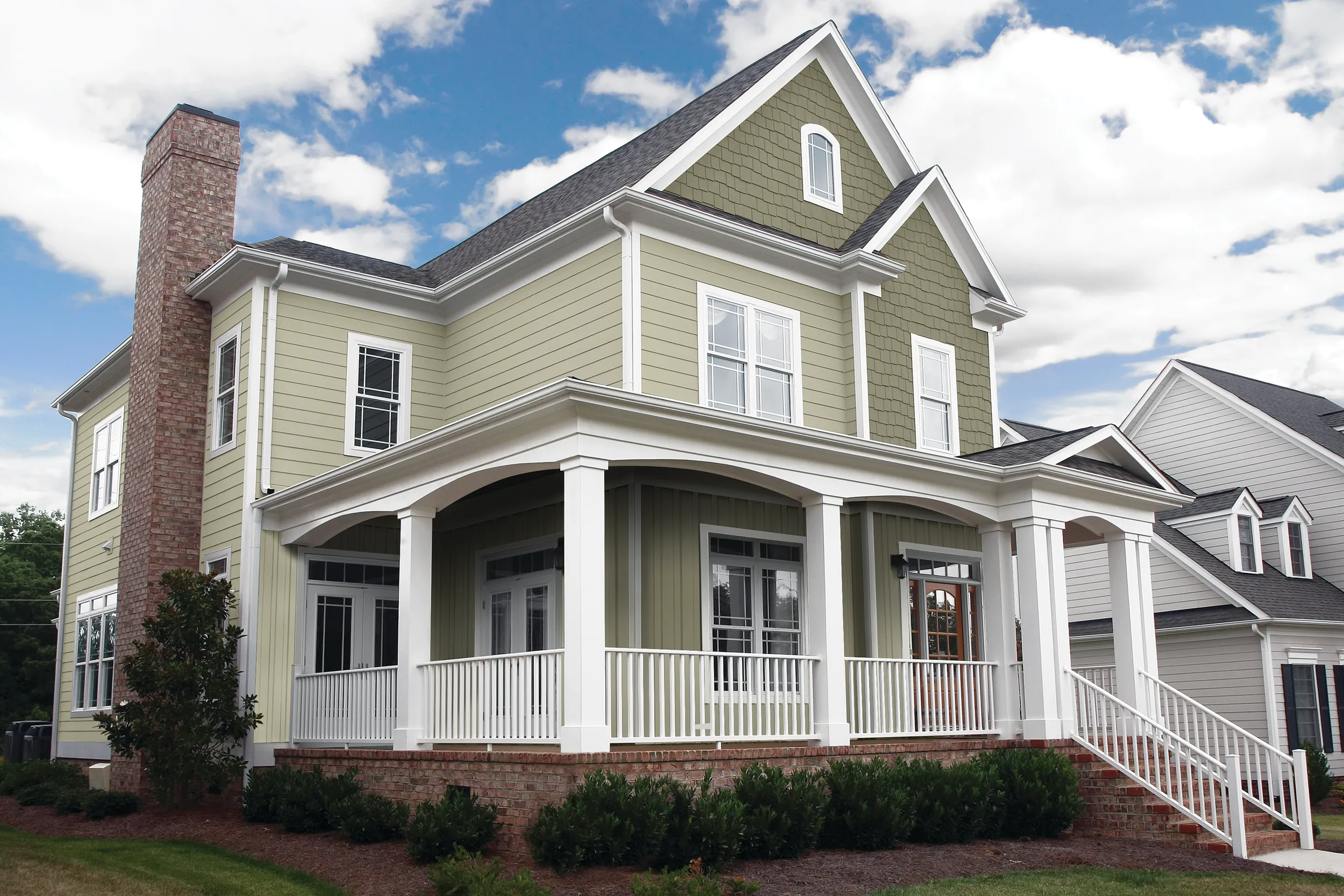
The short answer
Is Hardie worth it in Omaha?
For most homes here, it is. Fiber cement handles the freeze-thaw swings that crack lesser materials, takes hail that shatters vinyl, and never rots the way wood does. It costs more than vinyl up front, but it carries a 30-year warranty and lasts about 50 years, so you side the house once.
How it compares
Hardie vs vinyl vs cedar in Nebraska
| James Hardie | Vinyl | Cedar / wood | |
|---|---|---|---|
| Hail | Marks, doesn't crack | Cracks, shatters | Dents, splits |
| Fire | Class A, won't burn | Melts | Burns |
| Rot & moisture | Immune | Resists | Rots, needs sealing |
| Color | Baked-on, holds for years | Fades, can warp | Repaint every 5-7 yrs |
| Lifespan | 50+ years | 20-30 years | 20-40 years, with upkeep |
Color
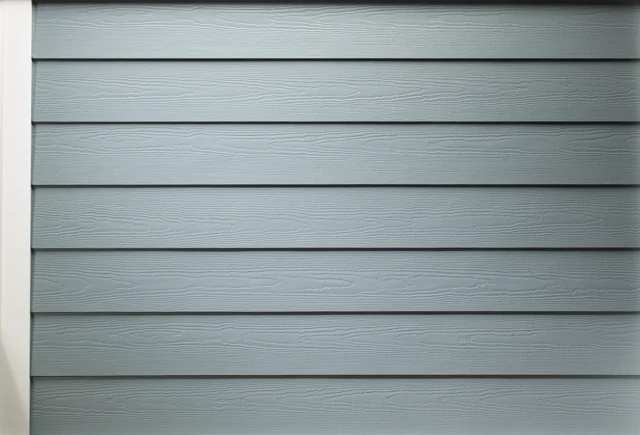
The color is baked in, not painted on.
Hardie's ColorPlus finish is a factory three-coat that bonds to the board before it ever reaches your house. That's why it holds its color for years instead of chalking and peeling like field paint. It comes with a separate 15-year finish warranty and a deep range of colors, so you pick the look once and forget about a repaint cycle.
Climate
Made for our winters.
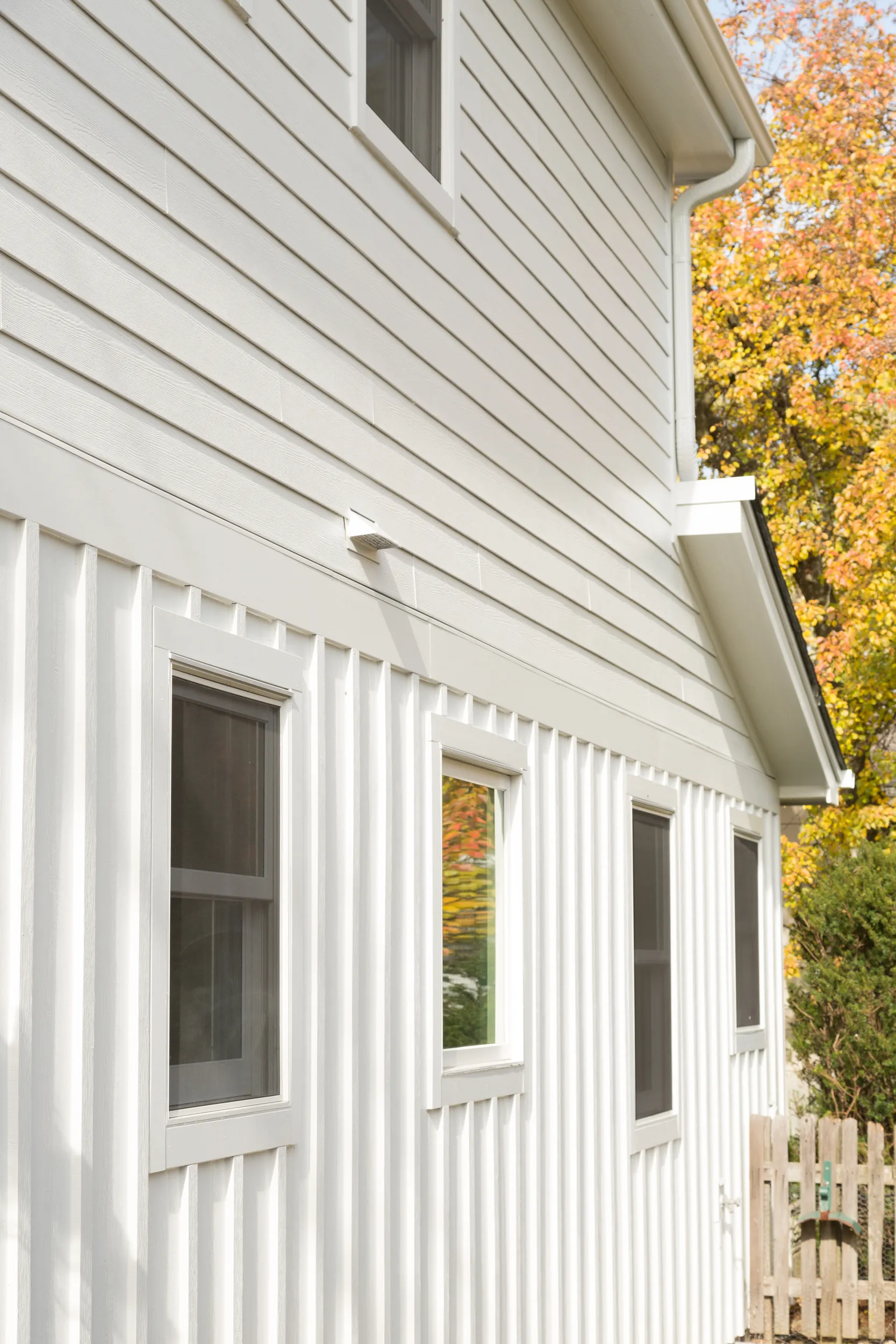
James Hardie makes its board in climate-specific blends, and we install the one built for the upper Midwest: freeze-thaw, wet cold, and snow that leans against the wall for months. It holds through the temperature swings that open seams on cheaper siding, and hung tight on corners and exposed walls it takes the wind off the plains without lifting.
Styles & colors
Lap, shingle, panel, trim.
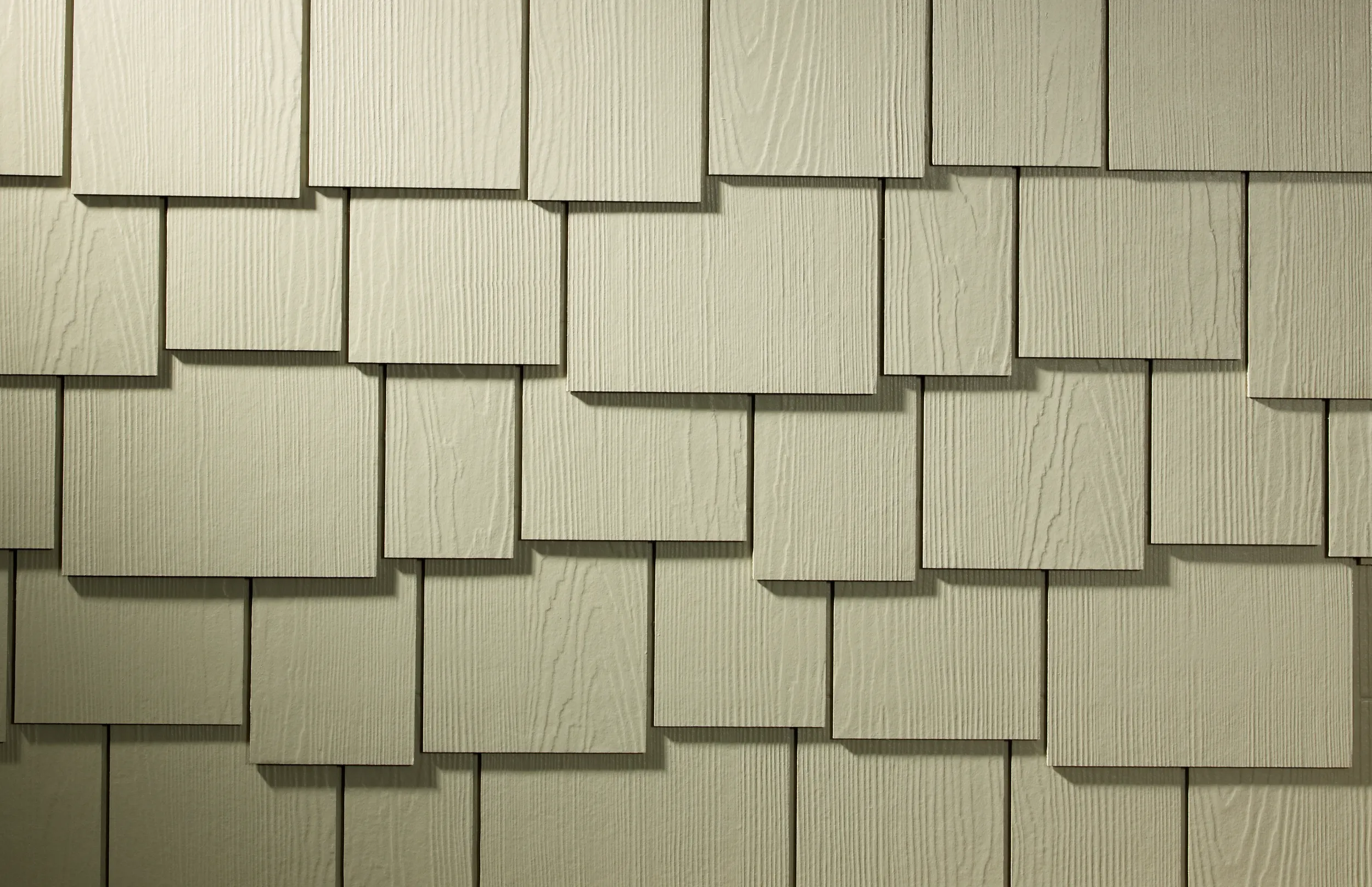
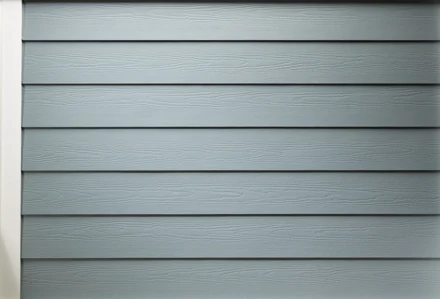
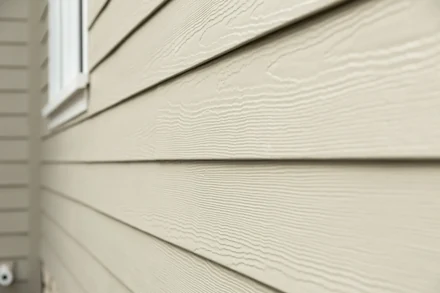
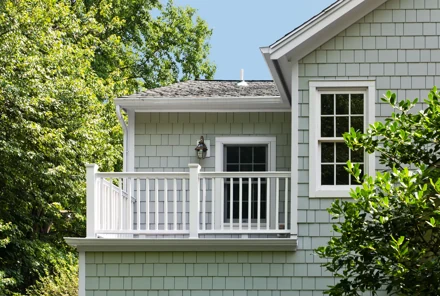
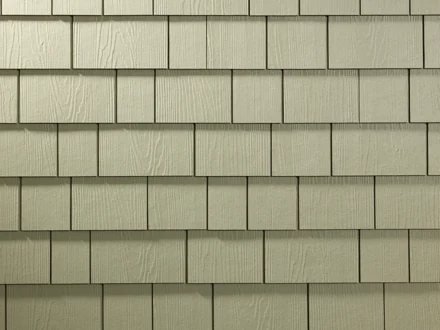
HardiePlank lap is the classic look. HardieShingle gives you cedar-shake character without the rot. HardiePanel does board-and-batten and modern farmhouse. HardieTrim wraps the corners, windows, and fascia so the whole exterior matches. Here are a few of the real colors and profiles we install.
How we do it
A Hardie job is only as good as the install
Fiber cement is forgiving on the wall and unforgiving on the details. Most siding failures we get called to fix aren't the board, they're the flashing and fastening. So that's where we spend the time.
Flash it right
Head flashing over every opening and kickout flashing where siding meets roof. That's what keeps water out of the wall.
Fasten it right
Hot-dipped or stainless nails, set flush, not over-driven. Over-driving fractures the board and lets moisture in down the road.
Hold the clearances
Keep the board the required distance off the ground, roofs, and decks so water never wicks up into it. It's a common failure point, and skipping it voids the warranty.
Who's behind it
Built on a craftsman's standard.
Tailwind is led by David Nelan: 25+ years in the trades, two decades of it building and finishing exteriors across the Omaha metro, and a Class B contractor's license that covers commercial work up to four stories. Every Hardie job is held to the standard he's worked to since 2003, from how it's scoped to how the last piece of trim gets flashed.
Questions
Common questions about Hardie siding
Is James Hardie siding worth it in Omaha?
For most Omaha homes, yes. Fiber cement takes our freeze-thaw swings, sheds hail that cracks vinyl, and won't rot like wood. It costs more up front than vinyl, but it carries a 30-year warranty and routinely lasts 50 years, so you side the house once instead of twice.
How does Hardie hold up against hail?
Far better than vinyl or wood. Fiber cement is dense, so a bad Nebraska hailstorm leaves surface marks rather than the cracks and blown-out panels you get with vinyl. It carries a Class 4 impact option and a Class A fire rating on top of that.
What maintenance does Hardie siding need?
Almost none. Rinse it with a garden hose a couple times a year. The ColorPlus factory finish is baked on, not painted on site, so there's no peeling-and-repainting cycle the way there is with wood or field-painted board.
Hardie vs LP SmartSide, which is better?
Hardie is fiber cement (sand, cement, cellulose); LP SmartSide is engineered wood. Both resist rot and insects. Hardie wins on fire and hail resistance and color hold. LP is lighter and usually a bit cheaper. We install and explain both, then you decide.
Does Hardie siding really not burn?
Correct. Fiber cement is noncombustible and carries a Class A fire rating, the highest there is. It won't ignite or feed a fire the way vinyl and wood do. That's a real difference if a neighbor's garage or a grill ever gets away from someone.
How long does a Hardie siding job take?
Most homes run a few days to about a week depending on size, trim detail, and how many openings the house has. We tear off, flash, hang the board and trim, caulk, and clean up after ourselves so you're not living on a job site for a month.
Thinking about new siding?
We'll look at your house, walk the options with you, and give you a real number.
Comparing materials? See all siding options.